
Sleep Is Your Best Biohack
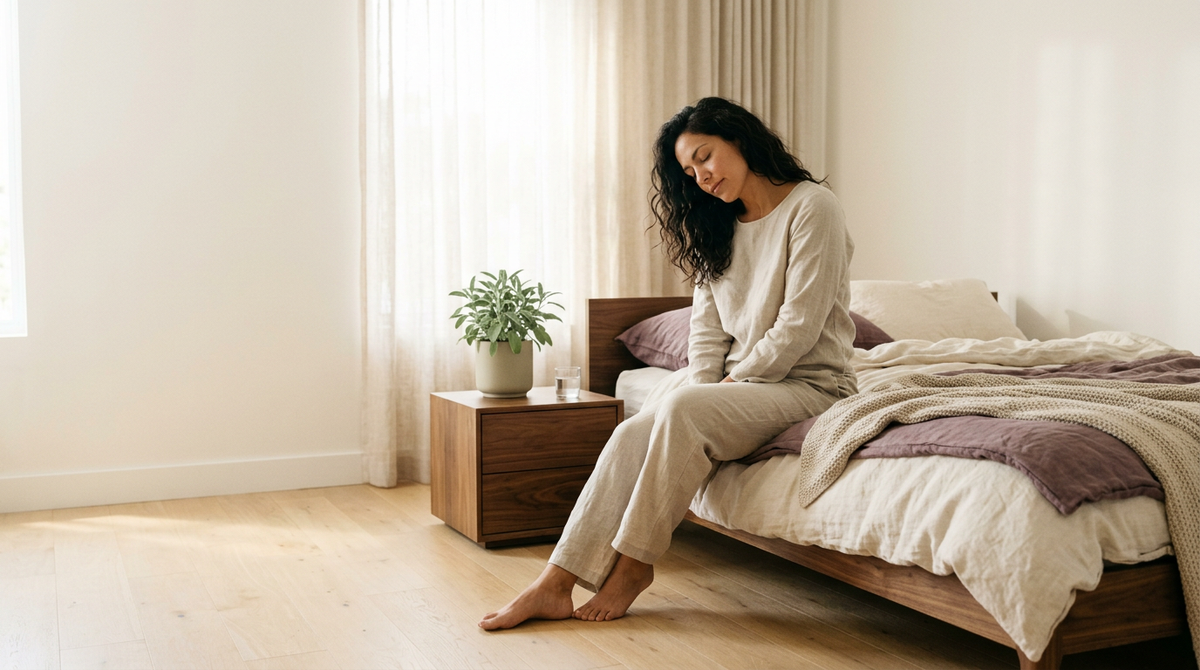
You followed the perfect bedtime routine. You got eight hours. And you woke up exhausted. Meanwhile, your friend sleeps five hours and bounces out of bed. This frustration tells me something important: sleep quality isn't the same for everyone, and it isn't about how hard you try.
In my clinical practice, I've seen this constantly. People follow identical sleep advice with wildly different results. That's not a failure of the routine or the person. It's biology.
Sleep isn't a single switch you flip. It's an orchestra. Your neurochemistry needs to create the right brain state for sleep onset and deep rest. Your inflammation levels either support recovery or sabotage it. How your body metabolizes caffeine determines whether morning coffee keeps you wired at 10 PM. Your glucose and insulin rhythm either stabilizes your sleep or disrupts it with night sweats and 3 AM waking. Your hormone balance controls your circadian rhythm. Your detoxification systems work during sleep to affect how rested you feel. Each of these biological systems operates differently depending on your genes.
Here's what matters clinically: sleep quality is shaped by all these systems working together, not by a single biological pathway. That's why one person transforms by cutting evening carbs while someone else needs neurochemical support or nutrient optimization or caffeine timing adjustments. Same sleep problem. Completely different solutions.
Someone can't fall asleep because their neurochemistry isn't supporting sleep onset. Someone else falls asleep fine but wakes at 3 AM because blood sugar dysregulation or inflammation disrupts deep sleep. A third person sleeps but never feels rested because recovery capacity is genetically constrained. A fourth is kept awake by caffeine sensitivity. Generic sleep advice fails because it assumes everyone's orchestra plays the same tune.
The 3X4 Genetics Test reveals how your genes influence the biological systems that shape your sleep. Your Genes First plan shows exactly which systems need support in your unique biology. Better sleep isn't about trying harder. It's about understanding how your body works and supporting it accordingly.