
Nutrigenomics Testing — The Cost, Benefits, and Reviews
|
Quick answer Nutrigenomics is the science of how your genes change the way your body responds to food. Common variants in genes such as MTHFR, CYP1A2 and APOE alter how you process folate, caffeine and dietary fat. A nutrigenomic test reads those variants from a cheek swab and turns them into nutrition and lifestyle priorities that fit your biology instead of a population average. |
Are you tired of feeling lost in the sea of one-size-fits-all diet advice?
Did you know that over 45 million Americans go on a diet every year, yet a mere 5% manage to keep the weight off long-term? The reason behind this staggering statistic is simple – one-size-fits-all diets fail to acknowledge the unique genetic makeup and metabolic needs of each individual.
What if there was a way to personalize your diet plan based on your DNA?
Enter the fascinating world of nutrigenomics – a cutting-edge field that explores how your genes interact with different foods and nutrients you consume and influence your overall health.
It examines how specific genetic variations can affect our ability to metabolize, absorb, and utilize various nutrients, ultimately impacting our risk for certain health conditions.
Beyond its foundational principles, nutrigenomics is shaping trends that are revolutionizing personalized nutrition. It offers individuals new insights into their dietary needs and health by uncovering diets tailored to their genes and using cutting-edge tech like AI for precision nutrition.
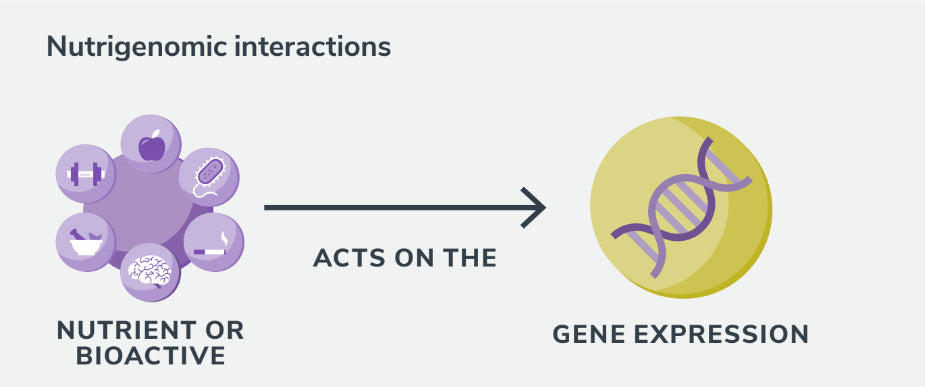
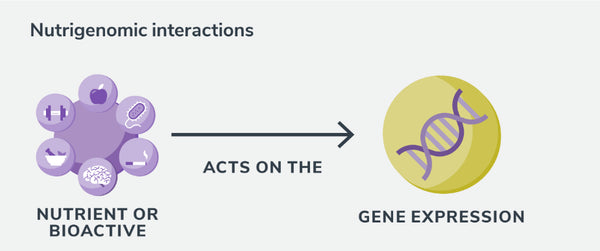
In short, nutrigenomics is about how food and its nutrients “talk to our genes.” Testing our genes helps us know how our genes interact with the environment, and we can harness nutrigenomics to influence health and well-being.
Familiarizing Yourself With the Concept
Without wasting any time, let’s get started with the foundations of nutrigenomics, i.e. its basic concept and some examples:
What is Nutrigenomics?
At its core, nutrigenomics examines the intricate relationship between your genes and the foods you eat. Your genes act as a blueprint, determining how your body responds to different nutrients – from absorbing vitamins and minerals to metabolizing fats, proteins, and carbohydrates.
For example, some individuals have genetic variations that make it difficult for their bodies to effectively utilize vitamin D from dietary sources, even when consuming sufficient amounts. As a result, they may be at risk for deficiency and related health issues.
Similarly, certain genetic factors influence how people respond to caffeine. Those with variations that cause slower caffeine metabolism may experience heightened effects like jitters or disrupted sleep, even with moderate consumption.
|
Nutritional Genomics
Nutritional Genomics focuses on the interaction between food components and the genome, which includes nutrigenetics and nutrigenomics. |
|
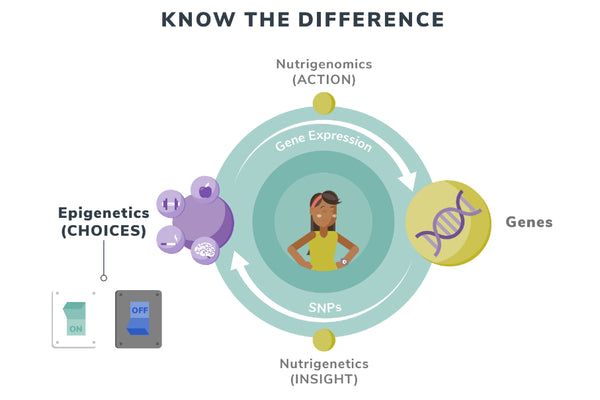 There is a slight difference, i.e. nutrigenetics gives us the information to explain how we will respond to our environment e.g. we may have genes that make us more prone to have high cholesterol levels if we eat high saturated food. Nutrigenetics is how nutrients affect the way genes work. |
What is Nutrigenomic Testing?
The birth of nutrigenomic testing revolutionized the approach to personalized nutrition. Researchers recognized that generic diets often failed because they didn't account for individuals' unique genetic makeup and how it impacts nutrient processing.
By analyzing your DNA through a simple saliva or cheek swab, nutrigenomic tests can identify specific genetic variations that affect how your body utilizes various nutrients. This invaluable information empowers healthcare providers to develop customized dietary plans tailored to their genetic profile, optimizing nutrient intake and mitigating potential risks.
What Does the Test Reveal?
Nutrigenomics testing helps you to gain a wealth of insights into your body's unique nutritional needs. It will answer questions like:
- Do I have any genetic variations that may affect my absorption or utilization of nutrients including vitamins, minerals, and fatty acids?
- How do my genes influence the metabolism of carbohydrates, fats, and proteins in my body?
- Are there genetic factors that increase or decrease my risk for obesity, blood glucose imbalances, or cardiovascular issues, such as high cholesterol, related to diet?
- Based on my genetic profile, what eating habits can help me achieve specific health goals?
Is Nutrigenomics Legitimate? Science Says, Yes!
The study of nutritional genomics is backed by robust scientific research from prestigious institutions. Numerous studies have identified gene-nutrient interactions significantly impacting how individuals respond to diets and nutrients.
The study of nutritional genomics is backed by robust scientific research from prestigious institutions.
For instance, research in the Journal of the American Medical Association showed individuals with a certain genetic variant lost more weight and improved cardiovascular health on a low-fat versus low-carb diet.
As more research emerges, the scientific foundation of nutrigenomics continues solidifying its legitimacy as the future of personalized nutrition.
|
Don't Settle For Another Disappointing Fad Diet. Equip yourself with personalized nutrition insights from your unique genetic code. Order the 3X4 Genetics nutrigenomics test today for a journey toward improved health and lasting wellness. |
Navigating the Nutritional Genomics Testing Market
As you navigate the diverse offerings in the nutrigenomics market, consider the following key aspects to make an informed decision:
1. Best Testing Options
As the field of nutrigenomics continues to gain traction, a variety of testing options have emerged to cater to different needs and preferences. From comprehensive genetic panels to more targeted analyses, the market offers a range of choices to help you unlock the secrets of your unique nutritional blueprint.
One popular option is whole-genome sequencing, which provides a comprehensive analysis of your entire DNA sequence, including variations that may influence your response to various nutrients and dietary patterns. While this offers a lot of data, it can be more expensive and may include information that can not be translated into useful recommendations.
Alternatively, many companies offer more focused nutrigenomics tests that specifically analyze genes related to nutrient requirements and sensitivities. These tests are often more affordable and provide targeted nutrient and lifestyle recommendations for optimal results
It's essential to consider factors such as cost, accessibility, and the level of detailed practical recommendations provided in the test results when choosing the best option for your needs.
The nutrigenomics testing market is rapidly evolving, with new companies and innovative approaches emerging regularly.
As the demand for personalized nutrition continues to grow, we can expect to see increased competition, technological advancements, and a wider range of testing options becoming available to consumers.
2. Cost Considerations
One of the common concerns surrounding nutrigenomics testing is the associated cost. While some tests can be relatively expensive – ranging from a few hundred to over a thousand dollars, it's important to consider the potential long-term benefits and cost savings that can result from optimizing your diet and preventing diet-related health issues. While that is said, more expensive tests are not necessarily better, and on the other hand, cheaper tests may not supply enough information for a holistic approach. So, you must look into the return on investment a test offers for you and choose wisely.
Additionally, many companies offer more budget-friendly options, such as targeted nutrigenomics tests that focus on specific areas of interest, rather than comprehensive whole-genome analyses.
It's also worth noting that as the field of nutrigenomics continues to advance and become more mainstream, the cost of testing is likely to decrease, making it more accessible to a wider range of individuals.
|
Taking Control of Your Health Shouldn't Break the Bank The cost of a 3X4 test is $299 and is eligible for HSA/FSA reimbursement, making it more accessible than ever to understand your individual genetic composition like never before. |
Empowered by these approaches, let's now look at how you can leverage the insights from your nutrigenomics test to create a personalized action plan.
Biohacking Your Health with Nutrigenomics
Here's how you can leverage the insights from your nutrigenomics test to create a personalized action plan and "biohack" your health:
1. Take Action with Your Results
The true power of nutrigenomics testing lies in its ability to translate complex genetic data into actionable steps for optimizing your health and preventing disease. With the guidance of a healthcare professional or a certified nutrigenomics practitioner, you can develop a personalized action plan that incorporates dietary modifications, exercise recommendations, lifestyle adjustments, and even targeted supplementation based on your unique genetic profile.

By following a tailored plan that addresses your specific needs and predispositions, you can experience tangible improvements in various aspects of your well-being, from improved energy levels and better sleep to enhanced cognitive function and reduced risk of chronic diseases.
2. Think Beyond Diet
While nutrigenomics testing primarily focuses on optimizing your dietary choices, its implications extend far beyond just the food you eat. Your genetic blueprint influences various aspects of your overall health and well-being, including exercise, sleep, and even your response to environmental factors.
By understanding your unique genetic profile, you can tailor your exercise regimen to maximize its effectiveness based on your body's specific needs and capabilities. Additionally, nutrigenomics insights can help you identify optimal sleep patterns and strategies to ensure you're getting the restorative rest your body requires.
Furthermore, nutrigenomics can shed light on how your genes interact with environmental factors like stress, pollution, and toxin exposure, allowing you to make informed lifestyle choices to mitigate potential risks and enhance your overall health and wellness.
3. Experience Empowerment and Transformation
This newfound understanding not only helps you optimize your well-being but also fosters a deeper sense of self-awareness and personal empowerment. You are no longer a passive recipient of generic health advice but an active participant in shaping your own health destiny, armed with the knowledge to make informed decisions tailored to your individual needs.
Exploring The Future with Nutrigenomics
Nutrigenomics is a new way of looking at how our bodies respond to different foods, helping us understand what's best for our health. In simple terms, it's the idea that by understanding our individual genetic makeup, we can tailor our diets to prevent diseases, improve our health, and even create new types of foods that are better for us.
In the future, nutrigenomics could lead to big changes in the way we think about food and health. Here's what we might see:
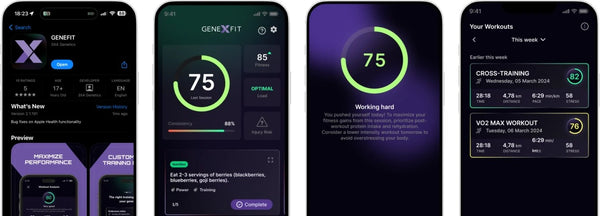
- Improved Fitness: Imagine new-age fitness apps or even trainers who give you a detailed fitness plan based on your genetic reports. This could help prevent injuries you might be at risk for because of your genes and also improve your athletic levels.
- Disease Prevention: By knowing which foods might trigger adverse outcomes based on our genes, we could avoid certain illnesses or manage them better if they do occur.
- Food Development: Food companies might start creating foods with specific health benefits tailored to different genetic needs. For example, a snack bar that helps lower the risk of heart disease for people with certain gene variations.
However, with these advancements come important ethical questions:
- Privacy: If companies or healthcare providers know about our genetic information, how do we make sure it stays private and isn't used in ways we don't want?
- Healthcare Disparities: We need to make sure that these personalized diet plans and health recommendations are available to everyone, not just those who can afford them.
|
3X4 Genetics Test - 100% Secure and Private Privacy is non-negotiable. We guarantee the complete safety and security of your genetic information – a 100% commitment! |
FAQs
Is nutrigenomics a one-time test, or do I need to repeat it regularly?
Your genes don't change, so a single nutrigenomics test provides valuable insights that remain relevant throughout your life. However, your dietary needs and lifestyle can evolve, so consulting a healthcare professional or certified nutrigenomics practitioner regularly is still recommended. They can help you interpret your results, personalize recommendations based on your evolving needs, and adjust your plan as needed over time.
Can I trust the accuracy of nutrigenomics tests?
The field of nutrigenomics is constantly evolving, and the accuracy of tests is continuously improving. However, it's important to choose reputable companies, like 3X4 Genetics, with transparent testing procedures and scientific validation. Look for companies adhering to industry standards and collaborating with healthcare professionals. Remember, nutrigenomic results offer valuable insights, but they should not be interpreted as guarantees or substitutes for professional medical advice.
How can I ensure my privacy when taking a nutrigenomics test?
Reputable companies prioritize data security and privacy. Look for companies that:
- Encrypt your data using secure protocols like SSL.
- Adhere to industry standards like HIPAA and GDPR (depending on your location).
- Offer clear and transparent privacy policies outlining data collection, storage, and usage practices.
What can I expect after receiving my nutrigenomics test results?
It's highly recommended to interpret your results with the guidance of a qualified healthcare professional or certified nutrigenomics practitioner. They can provide personalized recommendations based on your unique genetic profile, considering your current health, lifestyle, and dietary preferences. Together, you can develop a practical plan to optimize your nutrition and overall well-being based on your unique blueprint.
Even while ordering an at-home genetics test, you can buy our 3X4 Genetics test without the advice of a practitioner. It is easy to use and understand - but if you have a pre-existing health condition - it's always wiser to interpret the report with the guidance of a Health Care Provider.